Selonteko Trails-pelisarjan maailmasta, osa 1:
Intro ja maailman määritelmä
ENGLISH TRANSLATION ALSO AVAILABLE! SCROLL DOWN FOR IT!
Jos pelimaailmoihin uppoutuminen voi joskus tuntua haastavalta, kun oikeassa maailmassakin on kestämistä, ei hätää! Joku on tehnyt aivan varmasti internetissä tarpeettoman yksityiskohtaisia analyysejä niinkin jännittävistä asioista kuin The Elder Scrolls V: Skyrimin jokiverkoston virtauksesta tai Grand Theft Auto IV:n Liberty Cityn sähköverkon sisäisestä logiikasta. Nuo ovat vielä pientä ja kuka tahansa elämäänsä jännittäviin asioihin käyttävä voisi tehdä pohjatyön itsekin.
Seuraavaksi joku tylsimys kaiketi kirjoittaa yksityiskohtaisen selonteon edelleen suhteessa melko tuntemattomasta japanilaisesta roolipelisarjasta, joka on viime aikoina saanut lännessä jalansijaa, mutta jonka silkka mittakaava hirvittää heikoimpia.
Se joku olen minä.
Nihon Falcomin The Legend of Heroes -sarjan pitkäikäisintä Trails-spinoffia (japaniksi Kiseki) pidetään ainakin tekijöidensä mukaan maailman kunnianhimoisimpana pelitarinana. En lähde sen kummemmin erittelemään, mitä niissä tehdään, koska se ei ole tämän juttusarjan varsinainen pointti, mutta sanottakoon yksinkertaisesti, että Trailsit ovat japanilaisia roolipelejä (JRPG), joissa seurataan useamman hahmon seikkailua tarinan sanelemana, kehitellään hahmoja siinä sivussa ja tietenkin tapellaan runsaasti, Trailsien tapauksessa perinteisen vuoropohjaisesti.
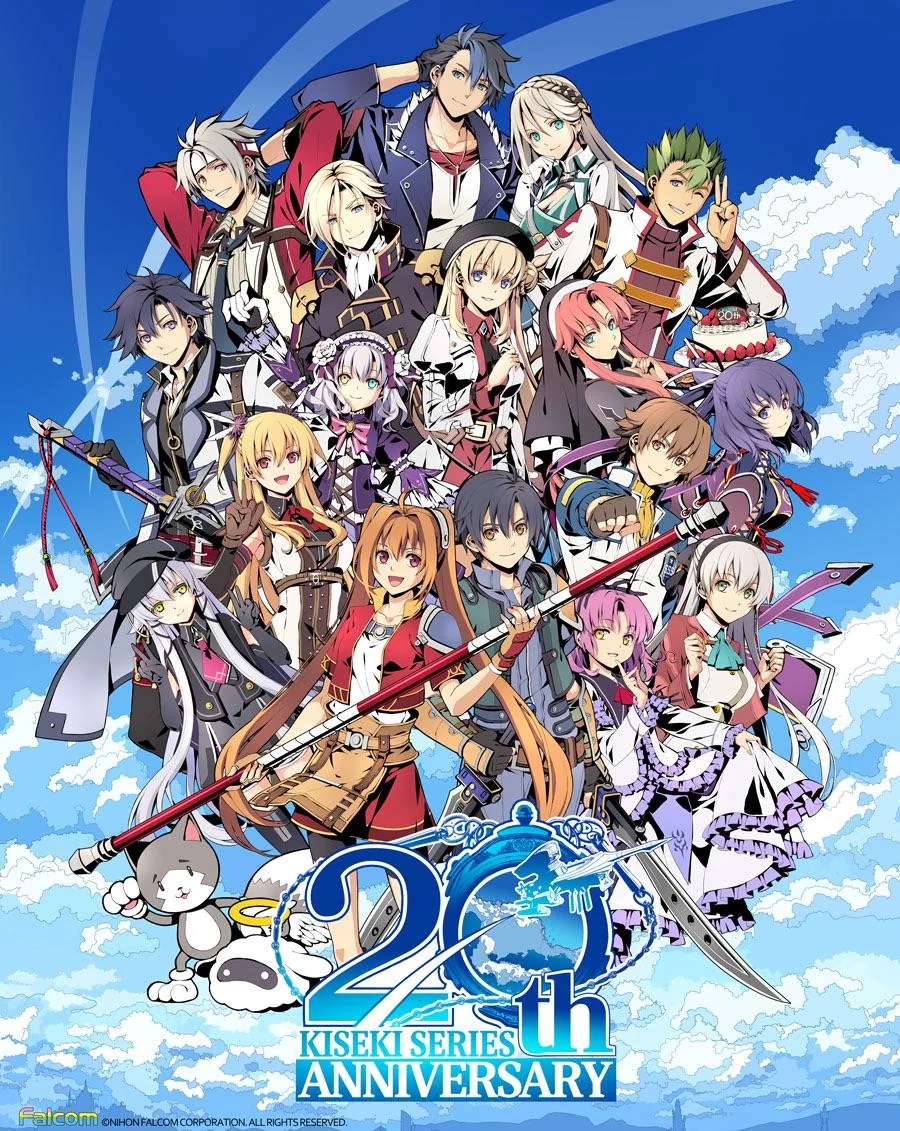
Varsinaisina peleinä Trailsit ovat hyviä, elleivät jopa erinomaisia, mutta pelisarjan idea ja vitsi piilee tarinassa, ja toinen idea ja vitsi ja jopa suoranainen tosiasia sekä realiteetti on se, että pelisarja koostuu tällä hetkellä kolmestatoista jatkuvajuonisesta osasta eikä loppua näy. Koska mittaa kullakin osalla on pelitahdista riippuen vähintään 60 mutta todennäköisemmin yli sata tuntia (varsinkin kompletionisteilla), puhutaan reippaasti yli tuhattuntisesta kokonaisuudesta.
Lisäksi kunkin Trailsin käsikirjoitus on kooltaan erittäin paksun kirjan luokkaa, sillä valtaosalla turhiltakin tuntuvista kadunvarren hahmoista on uutta puhuttavaa, kun juoni nytkähtää piirunkin verran eteenpäin. Kaikilla hahmoilla on Trailsien maailmassa oma tarinansa, olipa se kuinka suuri tai pieni tahansa. Heitä on tuhansia, ja japaninkielisen Wikipedian merkkimäärältään pisimmässä artikkelissa käsitellään Trailsien hahmoja noin 440 000 merkin edestä. Silkan tekstimassan puolesta Trailsit lukeutuvat pisimpien japsiropejen luokkaan ja ovat helposti verrattavissa järkälemäisimpiin visual novel -genren edustajiin. Kun kaikki osat linkittyvät toisiinsa, ei ole liioiteltua väittää tekijöiden kunnianhimon pitävän paikkansa.
Tässä juttusarjassa käyn kattavasti, suuruudenhullusti ja kenties jopa typerästikin läpi, mitä ihmettä Trailseissa tapahtuu ja mistä pelien maailma koostuu. Käytän surutta muistinvirkistyksenä kattavia wikejä tai muita lähteitä, koska ei voi olettaa, että valokuvamuistan joka pahuksen ikistä pikkuruista yksityiskohtaa läpäisyistä. Selonteko toimii muistinvirkistyksenä niille muutamalle, jotka ovat valtaosan Trailseista pelanneet.
Samalla SELONTEKO SISÄLTÄÄ JUONIPALJASTUKSIA IHAN KAIKESTA TRAILSEIHIN LIITTYVÄSTÄ, mutta en liiemmin välitä, jos joku kokee spoilautuneensa, sillä lukutaito on kova sana, varsinkin kun olennainen kirjoitetaan caps lock pohjassa.
Jos siis ei kiinnosta tippaakaan käyttää yli tuhatta tuntia elämästään johonkin satunnaiseen esoteeriseen japsihömppään, mutta on samalla luonnottoman kiinnostunut ottamaan asiasta selvää (…miksi?), tämä juttusarja lienee joko paras tai huonoin lähtökohta Trailsien maailmaan. Juttusarja käsittelee Trailsien seuraavia osia: Trails in the Sky, Trails in the Sky SC, Trails in the Sky the 3rd, Trails from Zero, Trails to Azure, Trails of Cold Steel, Trails of Cold Steel II, Trails of Cold Steel III, Trails of Cold Steel IV ja Trails into Reverie. Toisin sanoen Trails Through Daybreakia ja myöhempiä ja vielä julkaisemattomia osia ei tässä käsitellä.
Pelkkä yksityiskohtainen juonikertaus tämä ei ole, eivätkä kaikki paljastukset etene välttämättä kronologisesti, sillä tulen käsittelemään myös kaiken Trailsien maailmaan liittyvän, josta voidaankin aloittaa… Trailsien maailmasta.
Zemuria – Trailsien maailma
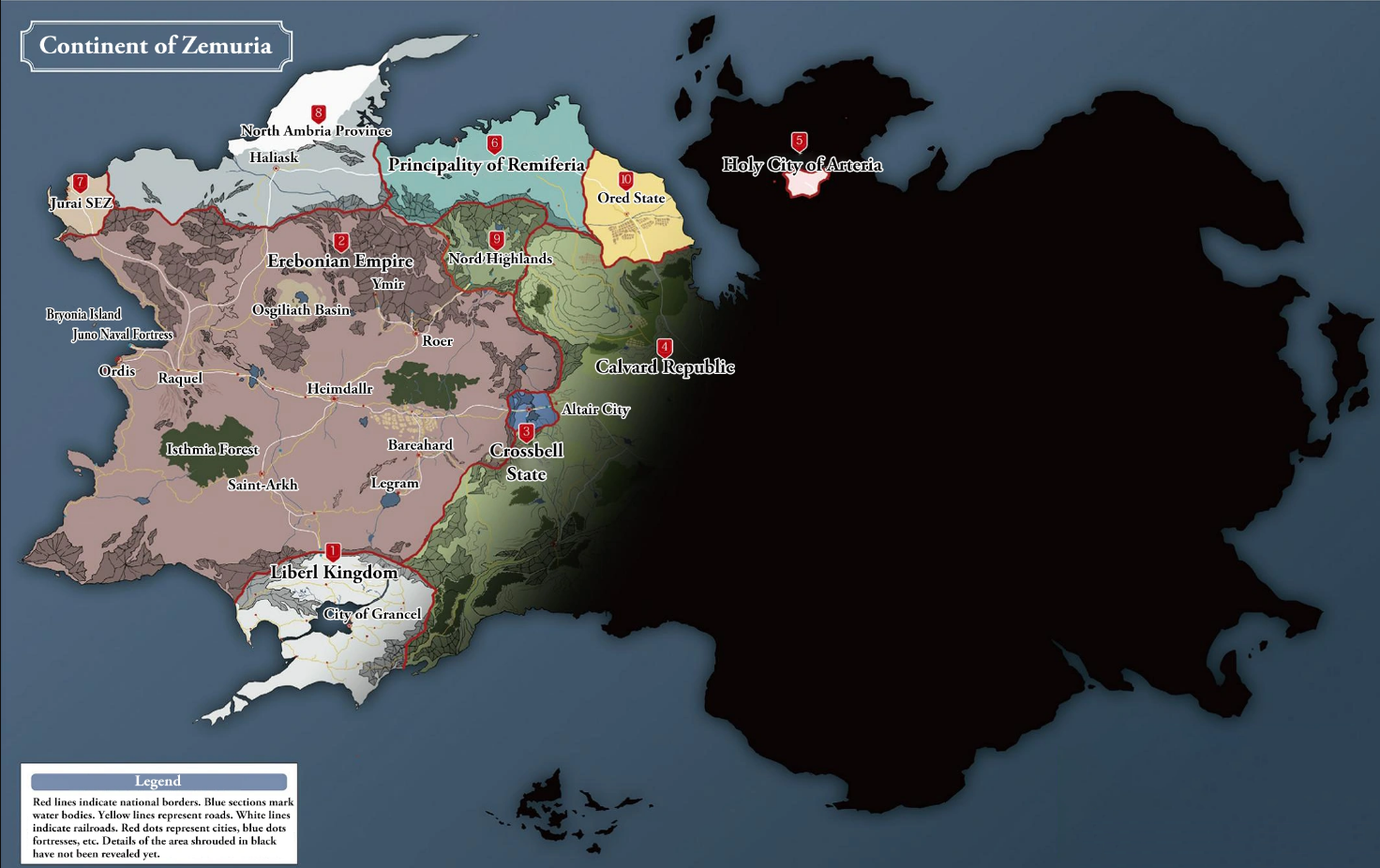
Trailsit tapahtuvat meidän maailmaamme muistuttavalla Zemurian mantereella, joka on tiettävästi planeetan ainoa manner, meren ympäröimä joka ilmansuunnasta. Kokoa mantereella on arveltu olevan noin Pohjois-Amerikan tai Australian verran. Tällä tiedolla koko planeettaa voi kutsua Zemuriaksi, ellei myöhemmin selviä jotain uutta. Falcom ei ole vahvistanut nimen taustoja, mutta Zemuria voi aivan hyvin toimia viittauksena joko Lemurian hypoteettiseen kadonneeseen mantereeseen tai venäjän maailmaa tarkoittavaan zemlya-sanaan.
Zemuria koostuu 37 seudusta, jotka kaikki eivät ole tiedossa, ja tulevat tapahtumat käsittelevät pääasiassa läntistä Zemuriaa. Kaukaisesta idästä on toistaiseksi tiedossa vain ankara aavikoituminen. Seutuesittely seuraa myöhemmin.
Zemurian todellisuutta ympäröi avaruus, josta ei vielä tiedetä juurikaan muuta kuin että planeetalla on ilmakehä, jonka toiselle puolelle voi mennä pääsemään hengestään, kuten kävi Trails of Cold Steel IV:n huonossa lopetuksessa. Oredin valtion avaruusohjelman avulla lähdetään ilmeisesti avaruuteen Trailsien 13. osassa, Farewell O Zemuriassa (ei virallinen käännös). Zemurialla on aurinko, kuu ja tähtitaivas, joiden etäisyyksistä ei ole tietoa, mutta tunnetun maailman pinta on joka tapauksessa pyöreä litteän sijasta.
Zemurian lisäksi Trailsien maailmassa on muitakin todellisuuksia, joista tärkein esitellään seuraavaksi. On kuitenkin huomattava, että kyseisistä todellisuuksista tiedetään edelleen hyvin vähän ja pääosin seurataan Zemurian tapahtumia.
The Beyond – Ulkopuoli
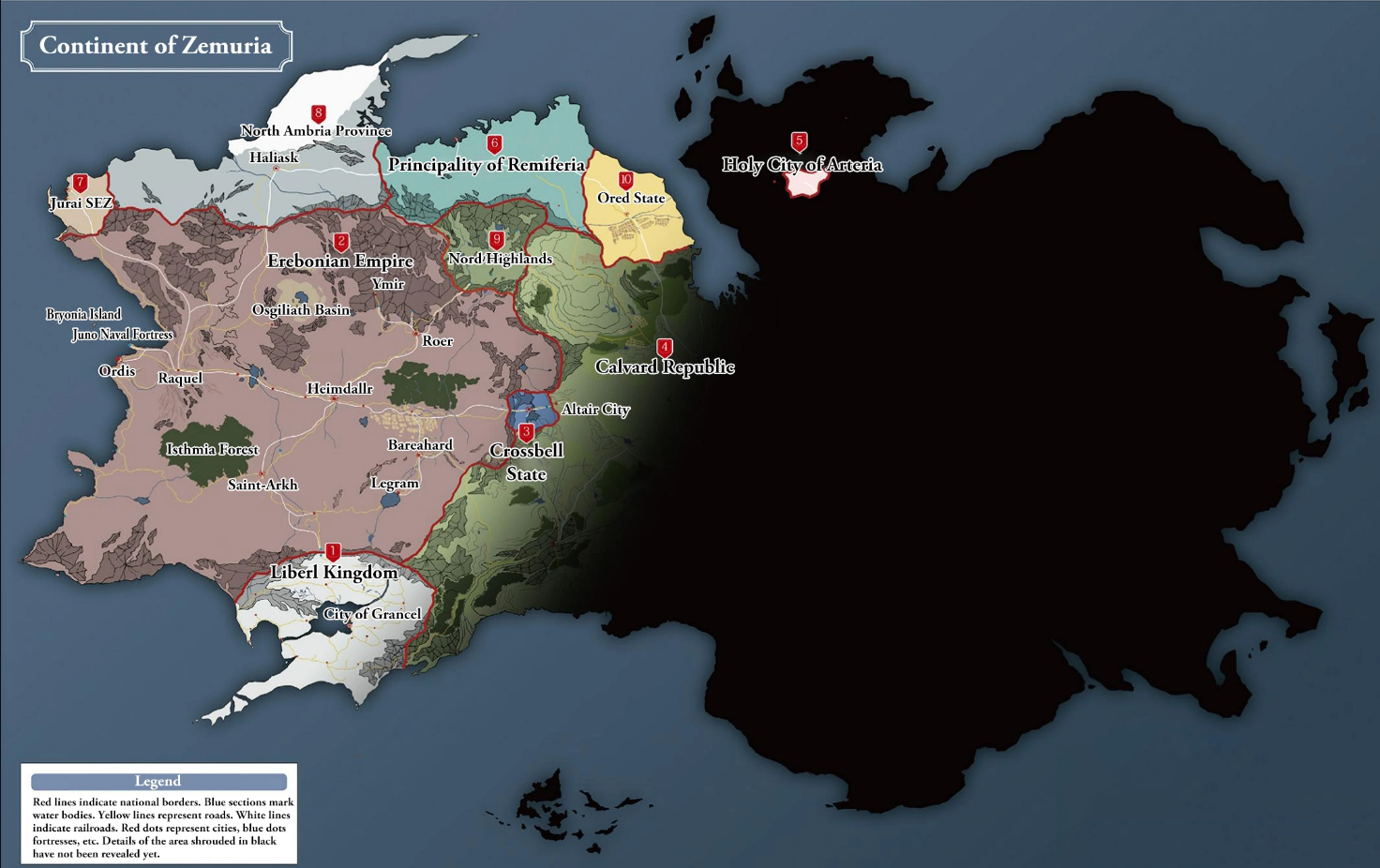
Zemurian materiaalisen maailman tuolla puolen sijaitsee kaoottinen, ei-euklidinen alue, jota kutsutaan The Beyondiksi. Jos Zemurian mannerta ympäröi meri, merta ympäröi The Beyond, eikä ole selvää missä kohtaa taivasta kyseinen alue tulee vastaan. Ulkopuolisille seuduille pääsy on mahdotonta. Jos Zemurian mantereelta yrittää päästä kauas pois, maailma käännyttää matkustajansa metafyysisillä kahleillaan selittämättömästi takaisin. Zemurian ja The Beyondin väliset kahleet vaikuttaisivat myös heikentyvän, mikä on johtanut selittämättömiin yliluonnollisiin ilmiöihin, kuten suolapylväisiin, kryptideihin, demoneihin ja muutamiin erikoislaatuisten henkilöiden käyttämiin aseisiin. Maailmojen vääjäämätön sulautuminen voi myös viitata huhuttuun maailmanloppuun noin kolmen vuoden kuluttua, kuten Ouroboroksen Grandmaster on sanellut määrittäessään maailmalle annettua aikaa.
Trailsien maailmassa on syytä olettaa vallitsevan samat perustavanlaatuiset asioita pyörittävät luonnonlait kuin meidänkin maailmassamme (kuten termodynamiikka), mutta näiden lisäksi on olemassa ns. divergenttejä lakeja, jotka jumalatar Aidios määritti maailmaa luotaessa. Logiikan ja olevaisuuden tuolla puolen olevat divergentit lait pätevät ainoastaan Zemurian todellisuuden ulkopuolella, toisin sanoen The Beyondissa. Ulkopuolelta on tiettävästi tullut tasan yksi henkilö, kun taas vain muutama henkilö edes tiedostaa ulkopuolen olemassaolon.
Septian Churchin kosmologian kolme tasoa
Zemurian mantereen valtakirkon eli Septian Churchin mukaan olevaisuus koostuu kolmesta päätasosta, jotka ovat 1) taivas, jumalattaren tyyssija; 2) maa, ihmisten asuinpaikka; ja 3) Gehenna eli meikäläisittäin Helvetti, syntisten ja paholaisten loukko, jossa kunkin sijainti määrittyy ihmisarvon mukaan. ”Go to Gehenna” on aivan validi tapa todeta urpolle painua helvettiin.
Tasojen välillä kulkeminen on normaalisti mahdotonta, ja tasojen välillä on erillisiä risteäviä tasoja, kuten Phantasma metafyysisen taivaan ja maan välissä, kuten pyhien kirjoitusten enkeliapproksimaatioissa ja -kuvastossa on havaittavissa. Vaikka Zemuria onkin rinnastettavissa kosmologisesti maan tasolle, tarkempi jaottelu lienee mahdotonta esimerkiksi The Beyondin kohdalla.
Muiden tasojen interferenssi Zemuriassa ilmentyy esimerkiksi korkeampien elementtien, kryptidien, paholaisten ja muiden omituisuuksien läsnäolona. Elementeistä lisää tuonnempana.
Muut maailmat
Zemurian, The Beyondin ja Septian Churchin uskonnolliskosmologisen näkemyksen lisäksi on olemassa muita maailmoja, joita voidaan pitää edellä mainittujen maailmojen metafyysisinä heijastuksina, tasku-ulottuvuuksina tai mekanismeina.
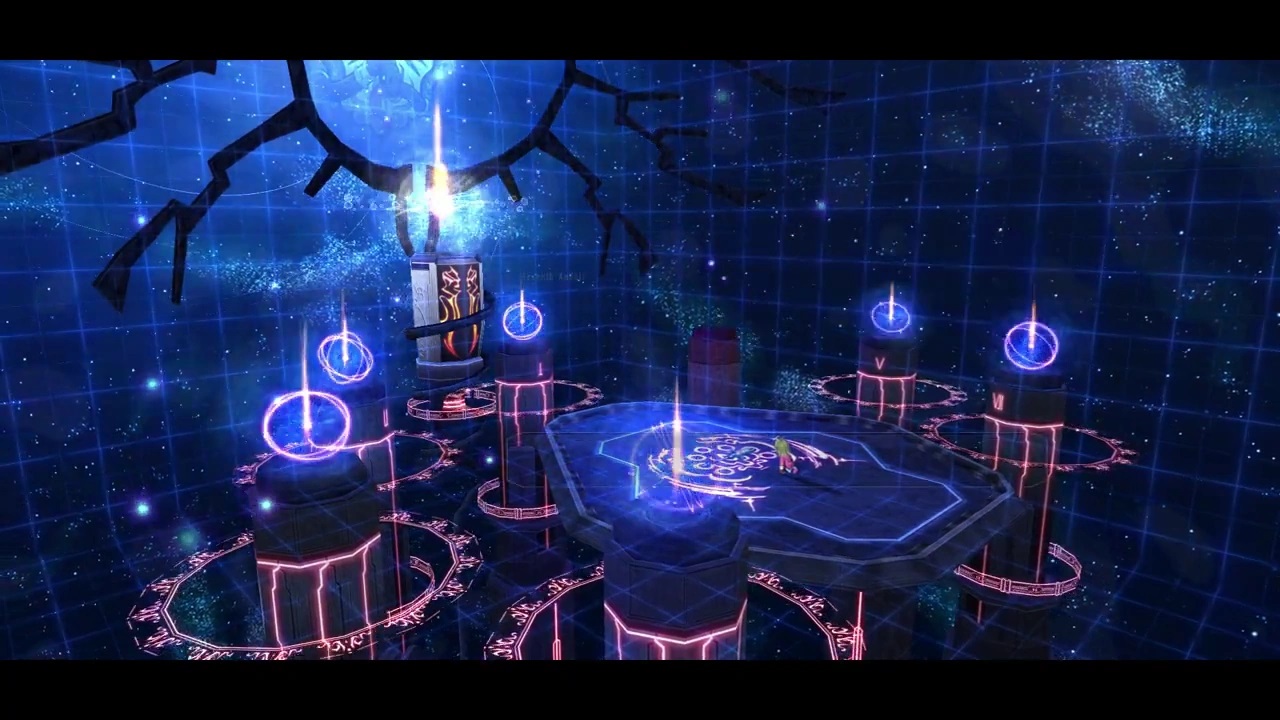
Esimerkiksi tetrasykliset tornit sisältävät muunnellun tilansa jossain toisaalla, Liber Ark oli piilossa toisessa ulottuvuudessa, Aureolen luoma temporaalinen alijärjestelmä loi fiktionaalisen Phantasma-maailman fyysisesti lähimmän henkilön manifestoitumana toiseen todellisuuteen, Celestial Globe on Ouroboroksen yhteisön faasitilassa toimiva kokouspaikka, henkipyhätöt sijaitsevat samantapaisessa henkitasku-ulottuvuudessa kuin Erebonian Hexen-klaanin Eryn-kylä ja Reverie Corridor on gnomejen tasku-ulottuvuuden lisäksi myös AZOTH-kausaliteettitallennusmoottori 03:n luoma faasitila.
Esimerkkejä olisi lisääkin, mutta yhtäkkinen terminologinen kylmä suihku perehtymättömille vaatii tärkeintä, eli lisää kontekstia. Puhutaanpa seuraavaksi uskonnoista ja Zemurian jumaluuksista, joita on oikeastaan yksi.
Aidios, taivaan jumalatar
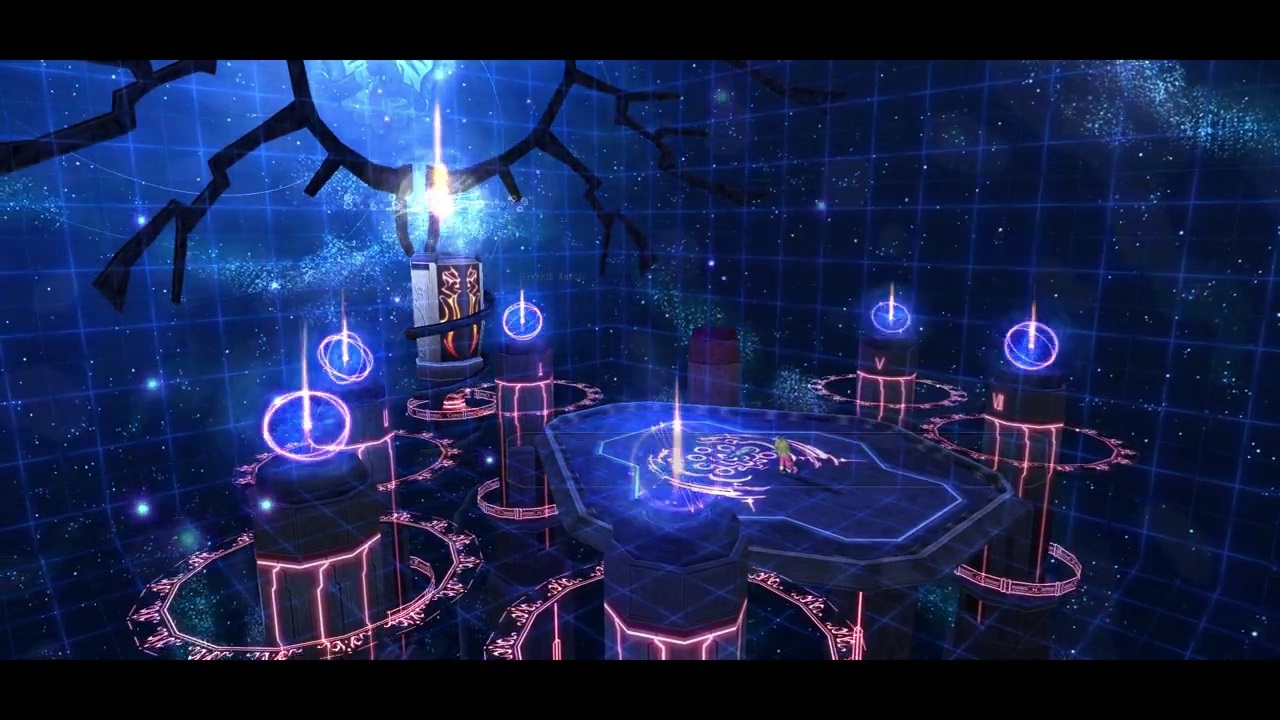
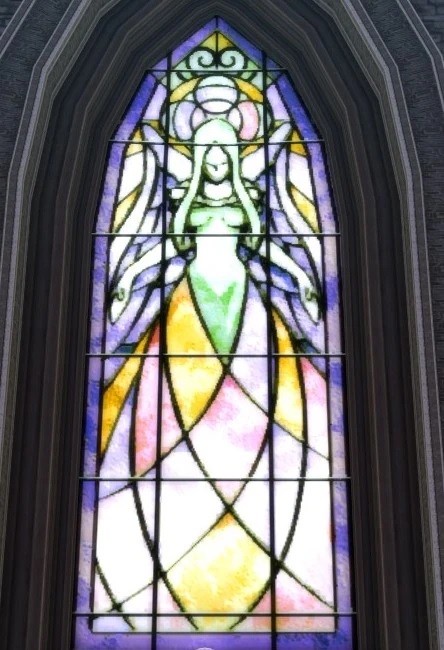
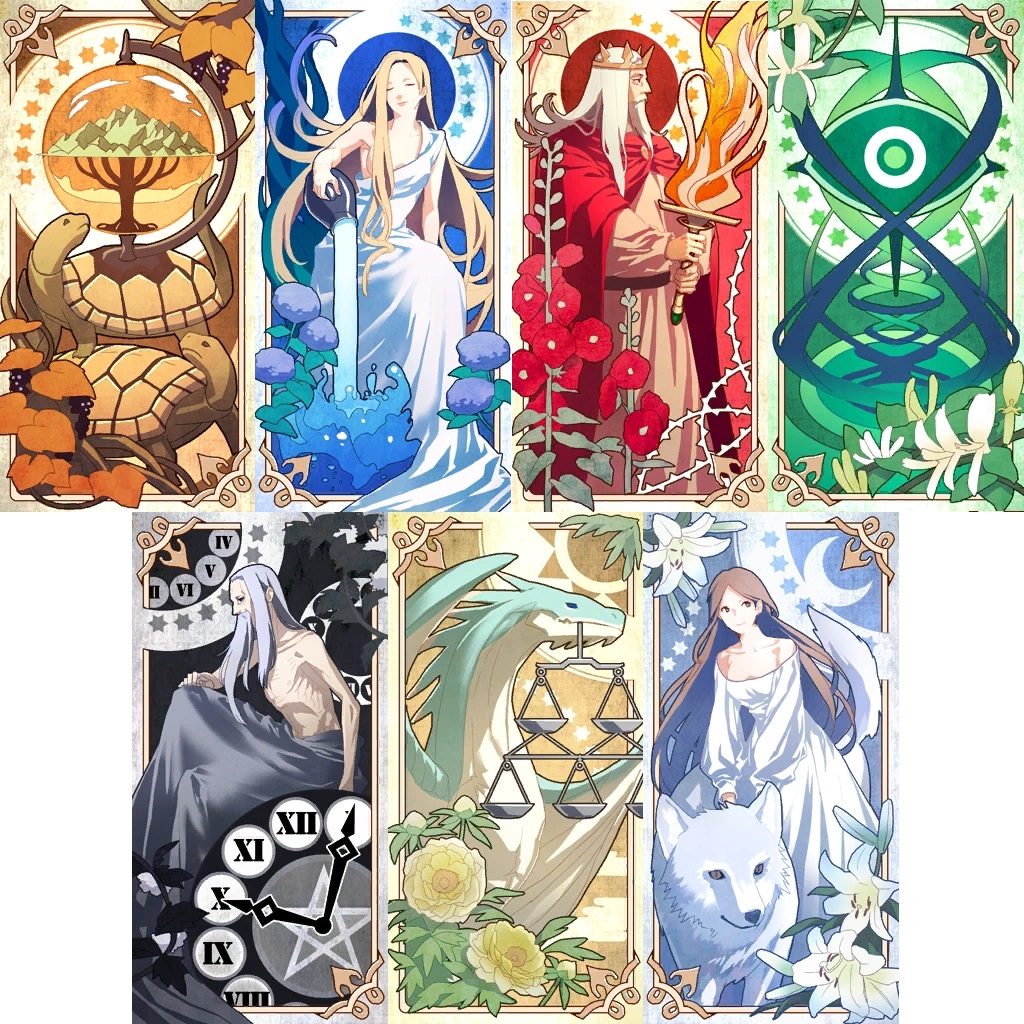
Zemuriassa uskotaan yleisesti monoteistisesti yhteen jumalentiteettiin: Aidiokseen, taivaan jumalattareen, joka toi valon aikojen alussa pimeyteen, ihmiskunnalle seitsemän Sept-Terrionia, pyhän pedon suojelemaan jokaista ja häipyi sitten poluille tietymättömille. Eräät faniteoriat uskovat Aidioksen palaavan Trailsien lopussa viimeisenä bossina. Aidioksen ympärille perustettiin mantereen de facto valtauskonnoksi Septian Church.
Animismi
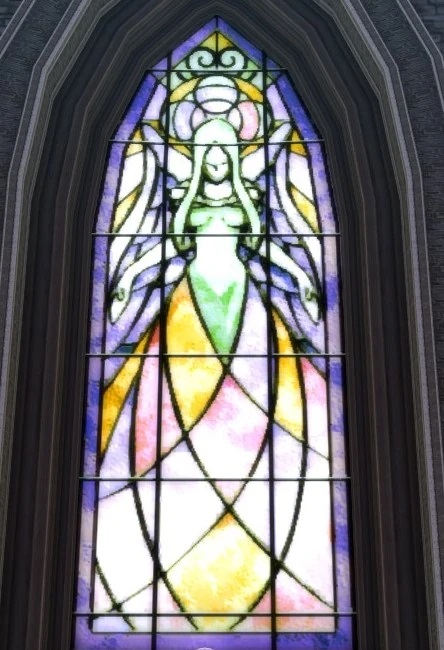
Vaikka Aidioksella on jumalattaruutena universaali monopoliasema, eräillä Zemurian seuduilla on pitkään juurtunutta animismia eli uskomista asioiden henkiseen puoleen, sillä Zemurian maaperällä polveilee siellä täällä henkisuonia, eikä pelkästään uskomuksen mukaan. Nordin ylängön nomadeilla tuuleen uskominen on erityisesti veressä, kuten fiktiivisissä nomadiyhteisöissä usein on tapana. Paikallinen animismi ei ole pelkkää ituhippien ja landepaukkujen suoltamaa harhaoppia, sillä Septian Church ei kiellä sitä ja lisäksi esimerkiksi kaupungeissakin suosittu Kesäfestivaali on alun perin animistinen tapahtuma.
Elementit, septiumit, sepithit, kvartsit ja orbmentit
Useimpien roolipelien tapaan luonnonelementit toimivat Trailseissa pelillisinä vahinkotyyppeinä taisteluissa: käytä tulitaikaa tulelle heikkoon viholliseen ja näe isompia vahinkonumeroita. Zemuriassa esiintyy neljä lähestulkoon kaikille tuttua elementtiä: maa, vesi, tuli ja ilma.
Näiden Avatar-animaatioistakin tuttujen elementtien lisäksi on olemassa kolme korkeamman tason elementtiä: aika, tila ja heijastus (mirage). Korkeammat elementit, kuten todettiin, ovat läsnä, kun muut maailmat sotkeutuvat tilapäisesti Zemuriaan, mutta kyseisiä taikoja voi käyttää muulloinkin. Näissä erityistapauksissa viholliset voivat olla heikkoja tai vahvoja korkeita elementtejäkin kohtaan.
Elementit ovat sidoksissa Zemurian teollisuuteen erityisesti orbaalivallankumouksen myötä. Orbaalivallankumouksesta, -teknologiasta ja -instituutioista kerron joskus myöhemmin. Kaivosteollisuudessa louhitaan kansakunnasta riippumatta septium-kristalleja eli elementtikristalleja, jotka ovat elementtien esittelyjärjestyksessä amberl, sapphirl, carnelia, esmelas, nohval, goldia ja argem. Selkeitä väännöksiä siis meidän jalokivistämme.
Jos septium on liian vähäistä kristalliksi, sitä kutsutaan nimellä sepith. Taisteluista päihitetyiltä vihollisilta putoaa sepithiä ja elementittömiä sepith masseja voi vaihtaa rahaksi. Sepithiä puolestaan jalostetaan teollisesti kvartseiksi, jotka ovat käytännössä taikuuden mahdollistavia taikapalloja.
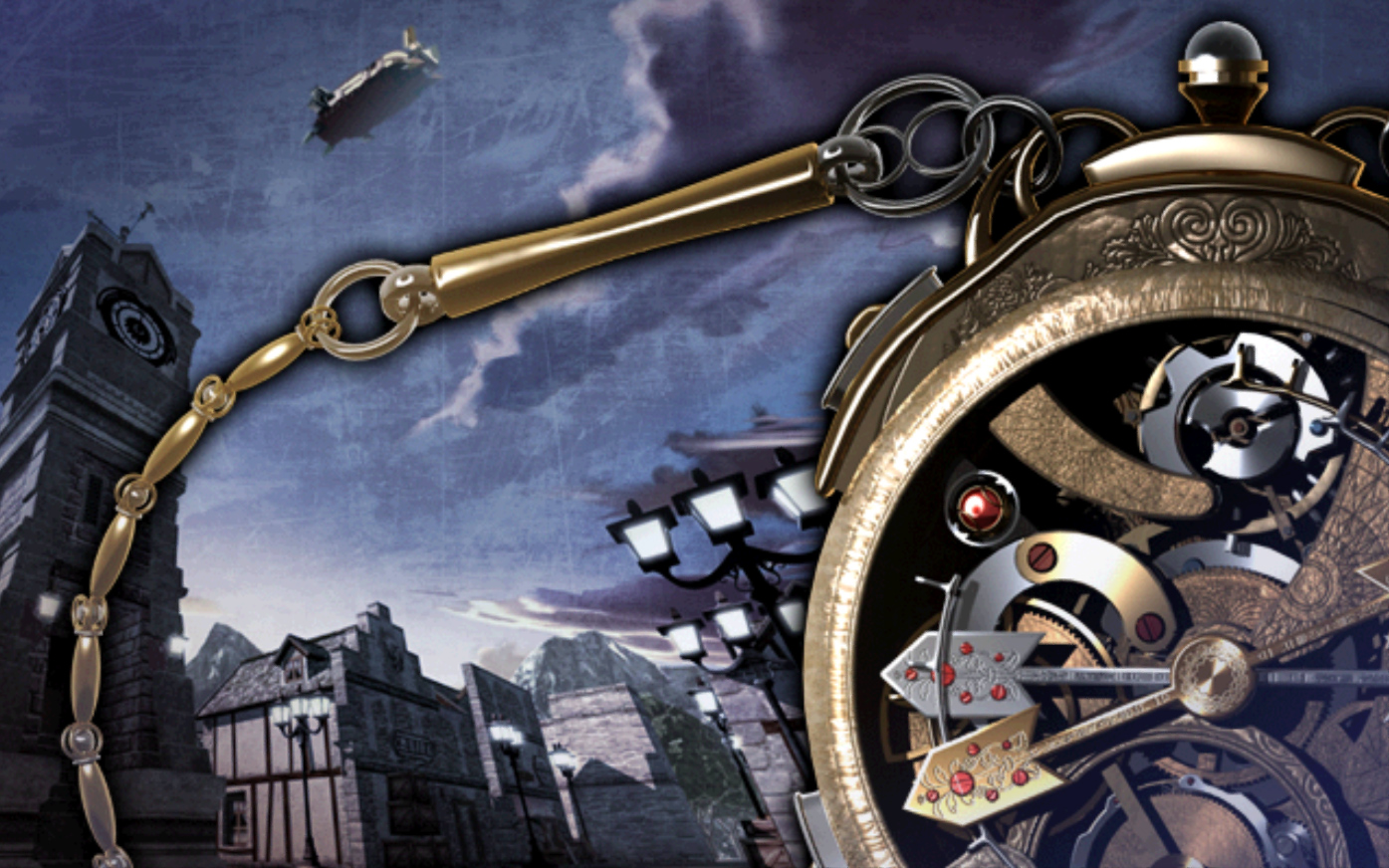
Kvartsit kytketään virtapiireihin taskunaurista muistuttavissa orbment-kojeissa, joiden taktiset variantit ovat käyttäjälleen yksilöityjä ja joiden funktiot kehittyvät Trailseissa jatkuvasti. Orbmentien kautta harrastettua elementtikvartseihin pohjautuvaa taikuutta kutsutaan puolestaan nimellä art, kun taas luontaisesti opittavat taidot ovat crafteja. Näin yksiselitteisesti toimii Trailsien taikuus. Ennen muinoin ihmiset osasivat taikoa luonnostaan, mutta kyky hiipui ja nykyään luotetaan teknologiaan.
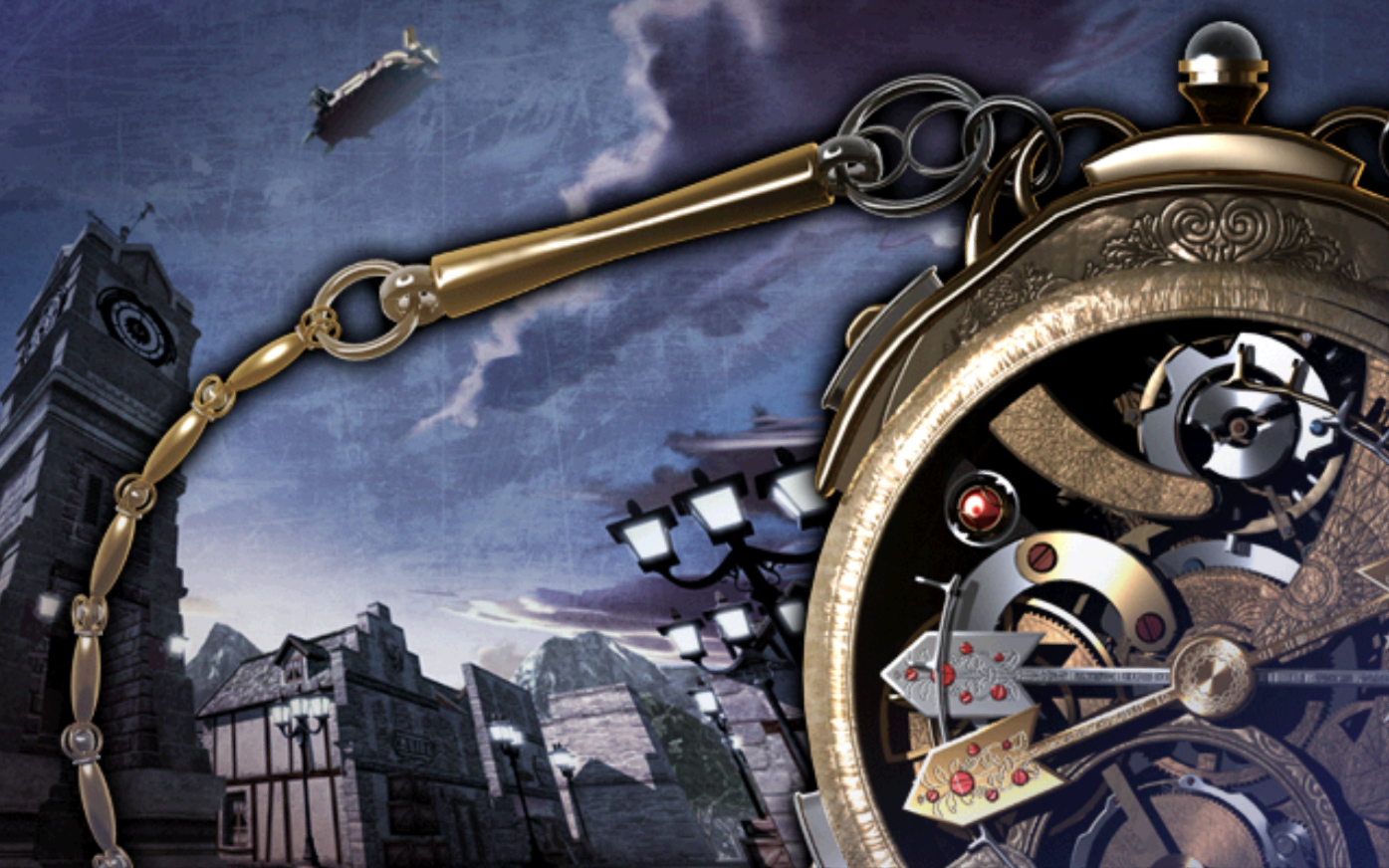
Sept-Terrionit
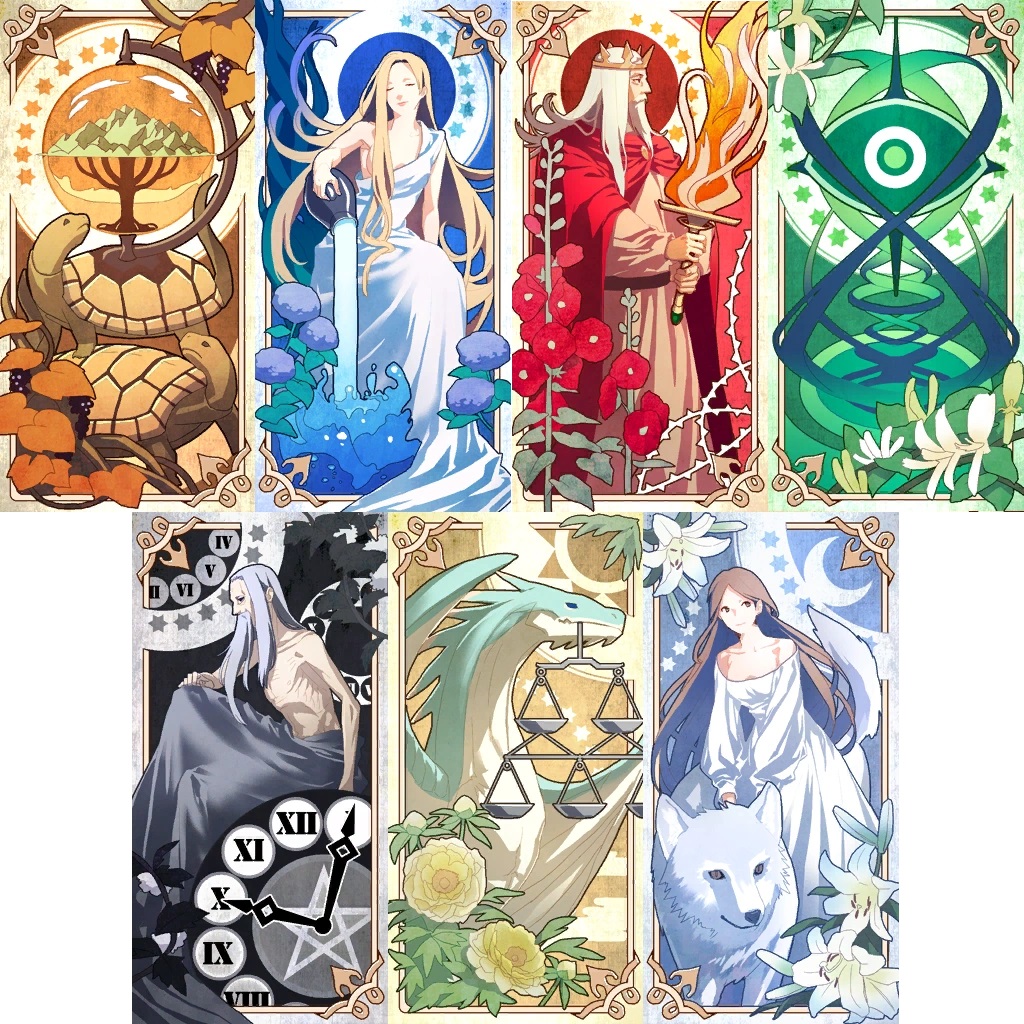
Seitsemän elementtiä ovat myös läsnä Sept-Terrioneissa, Aidios-jumalattaren ihmiskunnalle jättämissä salaperäisissä ja äärimmäisen voimakkaissa artefakteissa, joiden luokse Trailsien tarina tavalla tai toisella aina eksyy. Sept-Terrionien haltijat omaksuivat eri ideologioita ja syntyi eri kansoja, nykyisten edeltäjiä.
Kaikkia Sept-Terrioneita ei vieläkään tiedetä, mutta tiedossa olevia on neljä: tilan Aureole eli Shining Ring, heijastuksen Demiourgos eli Hollow Phantasm, maan Lost Zem eli Great Sable Hammer ja tulen Ark Rouge eli Crimson Vessel. Palaan Sept-Terrionien pariin, kun on niiden aika, mutta riittänee yksinkertainen vertaus: ne ovat käytännössä (mutta eivät oikeastaan) Marvelin Ikuisuuskiviä.
Seuraavaksi seuraa muutamia yleisiä käytäntöjä Zemurian maailmasta.
Kieli
Kielivalinta riippuu tietenkin pelaajasta, mutta Zemuriassa puhutaan säännönmukaisesti joko englantia tai japania. Japanin käsikirjoituksesta ja terminologiasta vastaavat Falcomin asianomaiset, enkkuversiosta puolestaan XSEED, Geofront-fanikääntäjäporukka ja nykyisin NIS America. En lähde tekemään minkäänlaista paremmuuden pesäeroa (paitsi ihan kohta), mutta totean vain, että käsittelen Trailseja vain englanninnoksen kautta, koska muuten tavaisin Trails in the Skyta alkukielellä vielä seuraavalla vuosikymmenelläkin. Saatan joskus käyttää jostakin termistä itse keksittyä suomennosta, mutta pyrin vähintäänkin sisällyttämään enkkuversion mukaan.
Lisäksi nillittävien puristien kauhuksi minulle on täysin samantekevää, vaikka Reverse Babel käännettiinkin Retributive Toweriksi, mutta tästä lisää noin kymmenen pelin kuluttua.
Zemuriassa eri henkilöt puhuvat iästä, sosiaalisesta statuksesta ja sen sellaisesta riippuen eri tavalla, kuten asiaan kuuluukin, mutta paikallisena erikoisuutena mainittakoon skottiaksentti, josta kärsii muutama henkilö, kuten erebonialainen Becky perheineen. Becky kuulemma haastelee japaniksi Kansain seudun aksentilla (joka poikkeaa jonkin verran vaikkapa Tokion seudun ”valtajapanista”) ja ilmeisesti Septian Churchin Gralsritter Kevin Graham käyttää alkukielellä samaa aksenttia, mitä en voi käsittää.
Vaikka kyse on fantasiamaailmasta, Zemurian nimistössä ja kulttuuriperimässä on runsaasti viittauksia meidän maailmaamme, mutta puhutun kielen suhteen voi olettaa, että kaikki puhuvat englantia. On myös mainittava, että luettavan tekstin lisäksi Trailseissa on myös ääninäyttelyä, jonka pyrin pitämään englantina, koska kyseessä on Japaniin perustumaton fantasiamaailma ja englanti nyt sattuu olemaan yleistajuinen lingua franca, jossa kaikki miehet eivät kuulosta jäyhiltä samuraiukkeleilta tai naiset piipittäviltä 12-vuotiailta tai ketjupolttajilta. Mutta se henkilökohtaisista preferensseistäni, sillä seuraa lisää yleispätevää informaatiota.
Raha
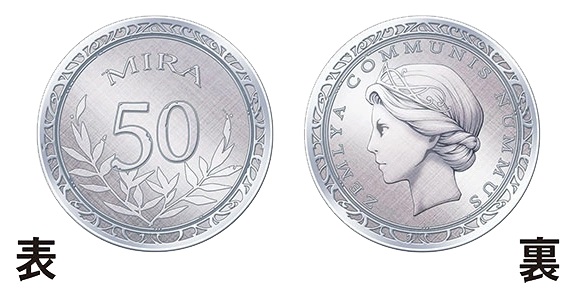
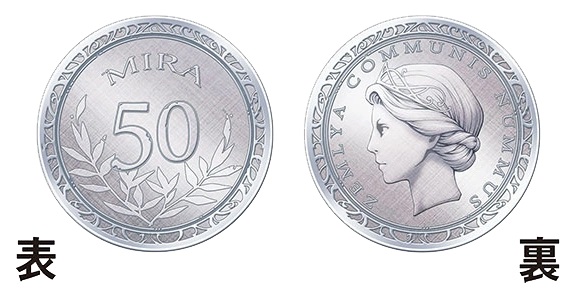
Useiden nokkelien japsiropejen tapaan Trailseissa käytetään valuuttana keksittyä rahayksikköä: mira. Miraa painetaan yhden, kymmenen ja viidenkymmenen miran kolikkoina ja tuhannen miran seteleinä. Ei liene mielekästä keksiä sopivinta meidän maailmamme kurssia vastineeksi, kun kaikkien pelien rahatalous hajoaa käsiin, kun sitä miettii liikaa.
Miraa ei tienata suoraan taisteluista, vaan sitä saa vaihdettua sepithistä missä tahansa kaupassa. Vaihtoehtoisesti miraa voi löytää aarrearkuista tai saada palkkioksi tehtävistä. En tiedä mitä Zemuriassa pidetään hyvänä tulotasona, mutta kenties asialla ei ole merkitystä. Tunnettuja pankkeja ovat mantereen suurin pankki eli Crossbellin International Bank of Crossbell (josta saa sepith-vaihdossa alennusta) sekä Erebonian Bank of Heimdallr.
Trails in the Sky the 3rdissä ja Trails into Reveriessä mukana oleva Who Wants to Be a Mirannaire? -tietovisa ei takaa, että kyseistä ohjelmaa esitettäisiin Zemurian lauantai-illan viihdepotpurissa, mutta miranäärinä on silti kiva olla. Saahan siitä sentään trophynkin useimmissa Trails-peleissä.
Metrijärjestelmä
Zemuria ei edusta yksiköillään imperialistista sekasotkua, josta ei ota pirukaan selvää, vaan asioiden laskeminen perustuu ainoastaan järkeviin mittayksiköihin, joille on tosin keksitty omia nimiä. 1cm = 1 rege, 1m = 1 arge, 100m = 1 selge, 1kg = 1 curim ja 1 000kg = 1 torim. Nyt osaamme laskea painon ja etäisyyden fiktiivisessä pelimaailmassa, emmekä tee tällä tiedolla välttämättä yhtään mitään.
Aika ja kalenteri
Zemurian aika vastaa omaamme päivästä yöhön ja vuodenaikoihin: vuorokaudessa on 24 tuntia ja kalenterivuodessa 365 päivää (en ole varma karkauspäivästä). Viikonpäivien ja kuukausien nimet vastaavat omiamme. Zemurian ulkopuolella kaikki onkin suhteellista.
Ajanlasku sai alkunsa Septian Churchin aloitteesta Suuren luhistumisen (Great Collapse) tapahduttua. Käyn ennen pitkää läpi esihistorian tapahtumat, kuten juurikin luhistumisen, mutta kymmenen ensimmäisen Trailsin tapahtumat sijoittuvat pääosin Septian Calendarin aikavälille S.1201–1207, joka vastaa suunnilleen meidän 1900–2000-lukua.
…
Tähän lienee hyvä lopettaa tältä erää. Kun nyt on saatu peruskäsitteitä pois alta ja tehtyä vain mitätön pintaraapaisu Trailseihin, on seuraavalla kerralla hyvä pureutua Zemurian kansakuntiin, yleismaailmallisiin järjestöihin ja ryhmittymiin, teknologiaan ja ehkä jopa esihistoriaan, kunnes seuraa varsinaisten juonitapahtumien ja hahmojen loputon, päättymätön ja monella tapaa sangen eksessiivinen polku. Jos sillä välin tekee mieli lukea lisää Trailseista, löytyy tämän vuoden Pelit-lehdistä tekemiäni arvosteluja aiheesta, sekä historiikki aiheesta tammikuulta 2024!
Kirjoittaja: Juha Kuosmanen
YOU HAVE SCROLLED DOWN ENOUGH. SCROLL WAY DOWN FOR THE END OF THE BLOG OR START READING THE ENGLISH TRANSLATION HERE.
The Report of the World of Trails Video Game Series, Part 1:
Introduction and the Definition of the World
If delving into the worlds within video games can occasionally seem like a challenge when there are enough challenges in the world already, no need to worry! There is surely someone on the internet who has done needlessly detailed analyses on such exciting subjects as the flow of the river currents of The Elder Scrolls V: Skyrim or the internal logic behind Liberty City’s electric grid in Grand Theft Auto IV. Those are small subjects, however, and anyone who uses their life for exciting things could do the groundwork themselves.
Next up, there is surely some bore who would write a detailed report on a still relatively unknown Japanese roleplaying game series, which has recently gained some footing but whose sheer scale presents an abomination for the weakest of the lot.
That someone would be me.
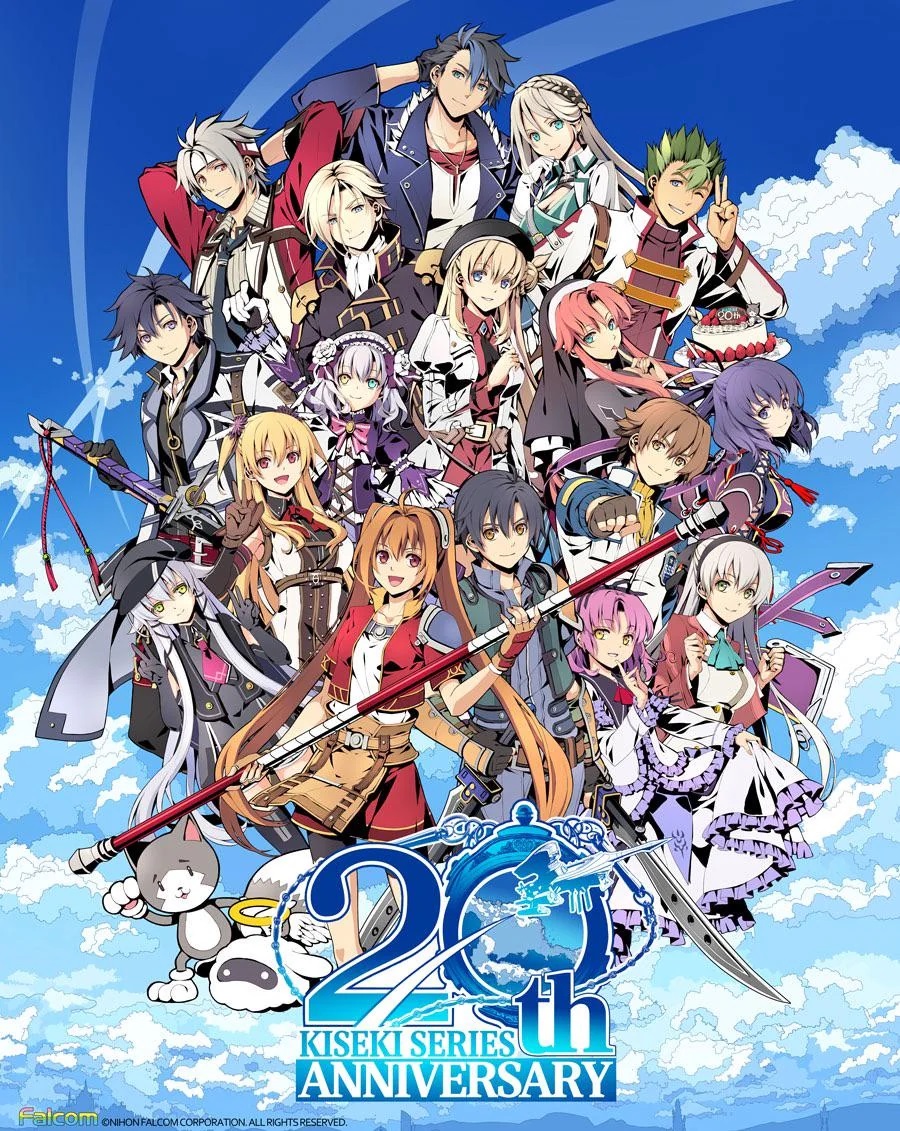
Nihon Falcom’s The Legend of Heroes series with its longest-running Trails spinoff series (Kiseki in Japanese) is considered to be, according to its developers at least, the most ambitious video game story in the world. I will mostly not be analyzing what you are doing in them, as that is not the point of this series of texts, but let it be simply said that Trails are Japanese roleplaying games (JRPG), which follow multiple characters adventuring around a plotline, along with developing those characters and, naturally, with a lot of battling, which is turn-based in Trails.
As actual games, Trails are good, if not superb, but the idea and the joke of the game series lies in its story. The second idea and the joke as well as the sheer fact and reality is that the game series currently consists of thirteen continuous parts with no end in sight. As the length of its parts, according to one’s pace, is at least 60 hours but likely more than a hundred (this very much goes for the completionists), we are talking about a whole that consists of a whole lot more than a thousand hours.
Additionally and size-wise, the script of each Trails is that of a very thick book, since the majority of even the seemingly unnecessary characters you would meet along the road have something new to speak when the plotline inches forward even a bit. Every Trails character in the world of Trails has their own story, no matter its size or lack thereof. There are thousands of them, and the Japanese Wikipedia page with the largest number of characters (logographic, not the actual number of characters!) is, ironically, that of Trails characters, with approximately 440,000 of them.
Due to their sheer volume of text, Trails are among the longest JRPGs and are easily comparable to the most monumental examples of visual novels genre. When all of its parts are interconnected, it is not an exaggeration to claim that the developer’s ambitions strike true.
In this series of texts, I will go through in detail, megalomaniacally and perhaps even stupidly, what in the world is going on in Trails and what the world of these games consists of. Without qualms and as a memory refresher, I will utilize various Wikis and other sources since one cannot presume that I could just have a photographic memory of every single frigging minuscule detail I got from completing the games. This report acts a memory refresher for those few who have played through the majority of Trails.
In the meantime, THIS REPORT WILL CONTAIN SPOILERS OF ABSOLUTELY EVERYTHING IN TRAILS, but I do not care that much if someone feels spoiled, as literacy is a thing, especially when the integral stuff is written all caps lock’d.
If, indeed, one would not have even an iota of interest in their life in some random, esoteric Japanese nonsense whatsoever while also having an unnatural interest in learning some more about the subject matter (…why?), this series of text would probably the best or the worst entry point in the world of Trails. This series of texts is about the following Trails parts: Trails in the Sky, Trails in the Sky SC, Trails in the Sky the 3rd, Trails from Zero, Trails to Azure, Trails of Cold Steel, Trails of Cold Steel II, Trails of Cold Steel III, Trails of Cold Steel IV, and Trails into Reverie. In other words, Trails Through Daybreak and the other, still unpublished parts are not discussed here.
A mere detailed plot recapitulation this is not, and neither do all the revelations necessarily proceed in a chronological manner, since I will also go through everything related to the world of Trails, which is a firm place to start… the world of Trails.
Zemuria – The world of Trails
Resembling ours, Trails take place in the continent of Zemuria, which, as far as is known, is the only continent of the planet, surrounded from all directions by an ocean. The continent has been approximated to be the size of North America or Australia. With this knowledge, the whole planet can be called Zemuria if nothing new comes to light later. Falcom has not made the name background official, but Zemuria could, by all means, refer to the hypothetical lost continent of Lemuria or the Russian word for a world, zemlya.
Zemuria consists of 37 regions, of which not all are known, and the following events mostly cover western Zemuria. As of now, only severe desertification is known about the far east. The region introduction will happen later.
The reality of Zemuria is surrounded by space, of which nothing much is known apart from the fact that the planet has an atmosphere, which one can leave to kick the bucket, which was the case in the bad ending of Trails of Cold Steel IV. Supposedly, Ored State’s space program lets us go to space in the 13th part of Trails, Farewell O Zemuria (unofficial translation). Zemuria has a sun, a moon, and a starry sky, whose distances are unknown, but regardless, the shape of the known world is round instead of flat.
The Beyond – Outside
On the other side of Zemuria’s material world lies a chaotic, non-Euclidean area called The Beyond. As the continent of Zemuria is surrounded by an ocean, that ocean is surrounded by The Beyond, and it is unclear where one would come across that area in the sky. It is impossible to access the outside regions. If one were to move far away from the continent of Zemuria, the world would inexplicably turn its traveler away with its metaphysical shackles. The shackles separating Zemuria and The Beyond are also seemingly getting weaker, which has led to unexplainable supernatural phenomena, such as Salt Pales, cryptids, demons, and a few weapons used by special persons. The inevitable amalgamation of worlds can also refer to the rumored end of the world in approximately three years as stated by Ouroboros’s Grandmaster while evaluating the time appointed to the world.
In the world of Trails, it is reasonable to presume that the same fundamental natural laws that run things govern as they do in ours (such as thermodynamics), but aside from these, there exist so-called Divergent Laws, as determined by the Goddess Aidios during the creation of the world. Beyond logic and existence, the Divergent Laws are applicable exclusively beyond Zemuria’s reality; in the Beyond, that is to say. Only a singular person has come from the outside, as far as is known, whereas only a few individuals even acknowledge the existence of an outside.
The three Planes of cosmology of the Septian Church
According to the Septian Church, the leading church of the continent of Zemuria, the existence consists of three main Planes, which are 1) the sky, where the Goddess dwells; 2) the earth, where mankind lives; and 3) Gehenna, or our Hell, the cesspit of sinners and devils, where an individual’s place is determined by their wealth. “Go to Gehenna” is a perfectly valid manner to say to a jerkwad to go to hell.
Normally, traveling between the Planes is impossible, and between the Planes there are separate, intercrossing planes, such as Phantasma residing between the metaphysical Sky and Earth, as is discernible in the angelic approximations and imagery in the holy scriptures. Even though Zemuria can be cosmologically equated to the Earth Plane, a more precise classification might be impossible when it comes to The Beyond, for instance.
The interference of the other planes in Zemuria is manifested in the presence of the higher elements, cryptids, devils and other peculiarities, for instance. More on the elements later.
The other worlds
Aside from Zemuria, The Beyond, and the Septian Church’s religious/cosmological perception, there exist other worlds that can be perceived as metaphysical reflections, pocket dimensions or mechanisms of the aforementioned worlds.
For example, the Tetracyclic Towers contain their Altered Space somewhere else, Liber Ark was hidden in another dimension, the temporal subsystem created by the Aureole created the fictional world of Phantasma as a manifestation by its physically closest person to another reality, Celestial Globe is the meeting place of the society of Ouroboros in a phase space, the Spirit Shrines are located in a similar spirit pocket dimension as Hexen clan’s Eryn village in Erebonia, and aside from the pocket dimension of the Gnomes, Reverie Corridor is also a phase space created by AZOTH, Causality Recording Engine 03.
There would be more examples, but the sudden terminological cold shower for the uninitiated requires the most important of all: more context. Let us talk next about religions and the divinities of Zemuria, there being one, really.
Aidios, the Goddess of the Sky
In Zemuria, people generally believe monotheistically in one God-Entity: Aidios, the Goddess of the Sky, who brought light to darkness in the beginning of time and the seven Sept-Terrions to mankind, a Holy Beast to protect each of them, and skedaddled afterwards off to trails unknown. Some fan theories believe that Aidios will return at the end of Trails as the final boss. Around Aidios was founded the Septian Church, the continental de facto major religion.
Animism
Even though Aidios holds a universal monopoly position as a Goddess, some regions of Zemuria have long-rooted animism, or believing in the spiritual side of things, since Spirit Veins are crisscrossing along Zemurian soil here and there, and not just based on belief alone. Believing in wind runs in blood of the nomads of Nord Highlands, as is usually the case with fictitious nomadic communities. The local animism is no mere heresy spewed by tree huggers and hicks, since the Septian Church does not forbid it, and the Summer Festival popular in the cities is originally an animistic event, for instance.
Elements, Septium, Sepith, Quartz, and Orbments
Like in most roleplaying games, the natural elements in Trails act as in-game damage types in battle: use a fire spell against an enemy weak to fire and see bigger damage numbers pop up. In Zemuria, there exists four elements likely known to most: Earth, Water, Fire, and Air.
In addition to these elements known from Avatar animations, there exists three higher plane elements: Time, Space, and Mirage. The higher elements, as previously stated, are prevalent when other worlds temporarily intermingle with Zemuria, but these spells can be utilized regardless of these situations, when enemies can be weak to or strong against the higher elements as well.
The elements are linked to Zemuria’s industry, especially due to the Orbal Revolution. The Orbal Revolution, technology, and institutions shall be the topics for another time. Regardless of nation, the mining industry mines Septium Crystals or elemental crystals, which are, in the order of the elements introduced: Amberl, Sapphirl, Carnelia, Esmelas, Nohval, Goldia, and Argem. Clear derivatives of our gems, indeed.
If there is too little Septium to be a crystal, it is called Sepith. The enemies whooped in battles drop Sepith, and Septium Masses without an element can be traded for cash money. Sepith, in turn, is industrially refined to become Quartz, which are, in practice, magical orbs making magic possible.
Quartz are installed in the circuits of Orbments, which are devices that resemble pocket watches. Their tactical variants are individual to their user and their functions are continuously developed in Trails. The magics based on the elemental quartz used in the Orbments are called arts, whereas innately learned abilities are crafts. And that is the uncomplicated way how magic in Trails works. In eons past, people knew how to cast magic innately, but the ability waned, and technology is the trusted way today.
The Sept-Terrions
The seven elements are also prevalent in the Sept-Terrions, the mysterious and extremely powerful artifacts left by the Goddess Aidios to mankind, a subject matter where the story of Trails will in some way or another always sidetrack to. The possessors of Sept-Terrions adopted different ideologies, and different peoples were formed, the precursors of current ones.
Not all Sept-Terrions are known even as of now, but there are four that are known: Aureole of Space or Shining Ring, Demiourgos of Mirage or Hollow Phantasm, Lost Zem of Earth or Great Sable Hammer, and Ark Rouge of Fire or Crimson Vessel. I will return to the subject of Sept-Terrions when their appointed hour comes, but a simple analogy shall suffice for now: these are in practice (but not really, no) Marvel’s Infinity Stones.
Next up, a few general conventions regarding the world of Zemuria.
Language
The language choice naturally depends on the player, but in Zemuria, generally, either English or Japanese is spoken. The Japanese script and terminology are handled by the powers that be at Falcom, whereas the English version is handled by XSEED, Geofront’s fan translator collective, and NIS America as of late. I will not be making any separation about which version is better (except quite soon), but I will just state that I will discuss Trails through the English version. Otherwise, I would be clumsily reading Trails in the Sky syllable by syllable in the original language in the next decade, still. In the Finnish version of these texts, I might occasionally use a made-up Finnish version of a term, but I will try to include the English version there at the very least as well.
Additionally, to shock the whining purists, I do not care whatsoever about Reverse Babel getting translated into Retributive Tower. More on this matter after around ten games or so.
Depending on a person’s age, social status, and all that jazz, different persons talk in a different way in Zemuria, as it should be, but there is also a local peculiarity that should be mentioned here: Scottish accent, suffered by a few individuals, like Becky and her family in Erebonia. I have read that Becky talks with a Kansai region accent in Japanese (which somewhat differs from the “major Japanese” of Tokyo region), and it would seen Kevin Graham of the Septian Church also uses the same accent originally; this I cannot comprehend.
Even though it is a fantasy world, Zemuria’s names and cultural heritage contain a hefty number of references to our world, but regarding spoken language, it can be presumed that everyone speaks English. It is also worth mentioning that aside from readable text, Trails games also have voice acting, which I try to keep in English, since it is a fantasy world not based on Japan and English just so happens to be a generally popularized lingua franca where all men do not sound like morose samurai geezers or all women like squealing 12-year-olds or chain smokers. But that will be it for my personal preferences, as more generally applicable information will ensue.
Money
Like in many witty JRPGs, in Trails, the currency is a made-up unit: Mira. The denominations of Mira are as follows: 1, 10, and 50 Mira coins and 1,000 Mira notes. It would not be sensible to make up the best rate comparison with our currencies, since the monetary economy of all games turns to dust when you really start to think about it.
Mira cannot directly be earned from battles. Instead, it can be exchanged from sepith in any store. Alternatively, Mira can be found from chests or rewarded from missions. I do not know what in Zemuria can be considered a good level of income, but perhaps it does not really matter. Some known banks include the largest bank in the continent: Crossbell’s International Bank of Crossbell (where you can get a sepith exchange discount); and Erebonia’s Bank of Heimdallr.
Included in Trails in the Sky the 3rd and Trails into Reverie, Who Wants to Be a Mirannaire? quiz does not guarantee that the said program is broadcast in Zemuria’s Saturday night entertainment extravaganza, but it is still nice to be a mirannaire. You do get a trophy for it in most Trails games, anyway.
Metric system
With its units of measurement, Zemuria does not represent the Imperial mess which not even the devil can comprehend. Instead, counting things is strictly based on sensible units of measurement, with some invented names, though. 1cm = 1 rege, 1m = 1 arge, 100m = 1 selge, 1kg = 1 curim, and 1,000 kg = 1 torim. Now we can count weight and distance in a fictitious game world, and do not necessarily need this information for anything whatsoever.
Time and calendar
Zemurian time equals our own from day to night and seasons: a day has 24 hours and a calendar year 365 days (not sure about the leap day, though). The names for days and months equal ours. Outside Zemuria, everything is relative, however.
The calendar came to be as a Septian Church initiative following the Great Collapse. I will go through the prehistoric events before long, such as that very Collapse, but the events of the ten Trails games mainly take place in the Septian Calendar’s timespan of S.1201–1207, which is somewhat equal to our 20th or 21st centuries.
…
… This would be a good moment to end things this time. Now that we have taken care of some basic concepts and merely scratched the surface of Trails, the next time is a good moment to tackle Zemuria’s nations, universal organizations and groupings, technology, and perhaps even some prehistory to boot before we trail off into the actual endless, infinite and in many ways rather excessive trail of plot events and characters. In the meantime, if you want to read more about Trails, this year’s Pelit magazines contain reviews on the subject matter as well as a history of the series in the January issue of 2024! Only in Finnish, though.
Writer (and translator): Juha Kuosmanen
 Akateemiset pelaajat ry